Knot Therapy Massage LLC for Professional Massage Therapy
Knot Therapy Massage LLC for Professional Massage Therapy
Blog Article
Massage Therapy: Unlock Calm and Wellness Today
Massage therapy functions as a valuable resource for improving calmness and complete wellness. By working with soft tissues, it addresses muscular tightness and emotional stress. Varied techniques address unique requirements, delivering possible advantages that extend beyond the session. However, many may wonder what to anticipate during their first experience or how to determine the right approach. Understanding these aspects can substantially improve the impact of massage therapy in one's wellness regimen.
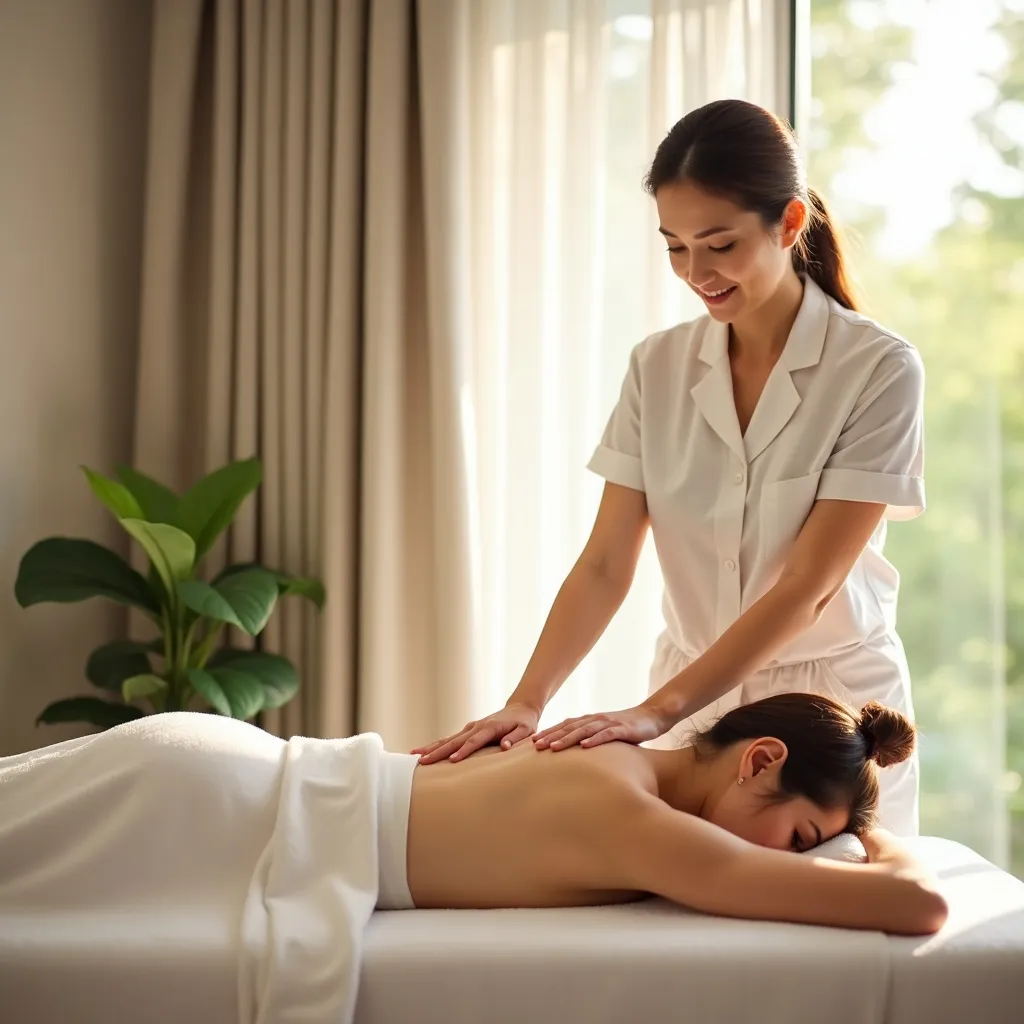
What Exactly Is Therapeutic Massage and In What Manner Does It Perform?
Massage therapy is a touch-based discipline that involves massaging the body’s soft tissues to promote restfulness and healing. This therapeutic approach zeroes in on the muscles, tendons, ligaments, and fascia, applying various approaches to alleviate tension and improve overall well-being. By applying pressure and movement, massage therapy activates circulation, improves flexibility, and reduces stress levels.
The biological effects of manual therapy can consist of increased blood flow, which supports the supply of oxygen and nutrients to tissues, while also facilitating the removal of metabolic waste products. Furthermore, massage can activate the parasympathetic nervous system, promoting a state of calm and relaxation. This practice is not limited to bodily benefits; it can additionally promote emotional release, adding to improved mental clarity and mood. Overall, massage therapy is a holistic approach that addresses both the physical and psychological aspects of health, thus improving one's quality of life.
Browse Sought-After Massage Practices
Massage therapy comprises a spectrum of methods, each providing distinct advantages. Swedish massage methods emphasize ease and circulation, while deep tissue massage tackles chronic tightness and pain relief. The addition of aromatherapy can improve the complete experience, promoting both physical and mental well-being.
Swedish Treatment Procedures
Swedish massage approaches are renowned for their ability to promote tranquility and alleviate strain in the body. Utilizing long, flowing strokes, these practices aim to boost blood movement and trigger the immune response. Key techniques include effleurage, or flowing strokes, which warm up the muscles; squeezing, involving pressing and rolling to release tightness; and friction, which targets localized spots to break down muscular blockages. Percussive tapping, defined by rhythmic tapping, stimulates the body, while oscillating methods help release deeper tension. These approaches not only offer bodily ease but also encourage a sense of emotional health. Overall, Swedish massage acts as a fundamental practice in the domain of therapeutic bodywork, drawing those seeking both relaxation and restoration.
Intense Tissue Rewards
While Swedish massage techniques emphasize relaxation and surface tension relief, deep tissue therapy addresses deeper layers of muscle and connective tissue. This method is particularly beneficial for individuals experiencing chronic pain, tension, or injury. By employing firm pressure and slow strokes, deep tissue massage can alleviate muscle knots, improve circulation, and improve flexibility. It is known to promote healing by breaking down adhesions that restrict movement and cause discomfort. Additionally, deep tissue therapy can help reduce stress and anxiety levels, as the release of physical tension often leads to emotional relief. Clients frequently report enhanced overall wellness and enhanced physical performance following deep tissue sessions, making it a valuable option for those seeking thorough therapeutic benefits.
Fragrance therapy Adoption
The integration of aromatherapy enhances context information the massage experience by blending the therapeutic benefits of essential oils with various massage techniques. This approach not only promotes relaxation but also targets specific physical and emotional ailments. For instance, Swedish massage, characterized by long, flowing strokes, pairs well with lavender oil to decrease stress and improve sleep quality. Conversely, deep tissue massage, which focuses on deeper muscle layers, can be enhanced with peppermint oil to ease tension and invigorate the senses. Additionally, aromatherapy can be tailored to individual needs, allowing clients to choose oils that resonate with their personal wellness goals. Overall, this integration fosters a holistic approach, elevating both the physical and emotional benefits of massage therapy.
Perks of Ongoing Massage Therapy for Stress Relief
Therapeutic massage performed frequently supplies substantial benefits for stress alleviation, mainly through the diminishment of muscle strain. By lessening physical strain, people typically find sharper mental focus. This pairing fosters a more relaxed state, boosting comprehensive well-being.
Minimized Muscular Stiffness
Massage therapy efficiently reduces muscle tension, delivering an important release for people facing stress. Consistent sessions can promote relaxation in tight muscles, lessening discomfort and improving overall physical well-being. The techniques utilized, including kneading, stroking, and applying pressure, help better blood circulation and oxygen supply to the troubled regions. As muscle tension decreases, individuals often notice a notable decrease in stress levels and a greater sense of calm. Furthermore, lessened muscle tension can bring about improved flexibility and range of motion, permitting a more active lifestyle. This therapy not only relieves immediate discomfort but also promotes long-term muscle health, aiding the body’s natural capacity to deal with stressors effectively.
Heightened Mental Clarity
Numerous researches indicate that steady massage therapy can greatly enhance mental clarity, providing individuals with a clearer focus and improved cognitive function. This benefit arises from the reduction of stress hormones and the promotion of relaxation, which create a conducive environment for mental processing. Regular massage also increases blood flow, delivering more oxygen and nutrients to the brain, thus enhancing overall cognitive performance. In addition, the tension release associated with massage allows individuals to feel more centered and less distracted, leading to better decision-making and problem-solving abilities. Consequently, individuals often report heightened creativity and productivity in both personal and professional settings. Incorporating regular massage therapy into one’s routine can thus serve as a powerful tool for mental enhancement and well-being.
What Happens in Your First-Time Massage Appointment?
When someone experiences their first massage, a fusion of excitement and trepidation often attends to them. Upon entry, they are typically met with a calming environment, crafted to enhance tranquility. The massage therapist usually begins with a brief consultation to examine any targeted areas needing attention and preferences concerning force and method.
When the consultation is complete, the person is guided to a private room where they can change to their liking level, often beneath a sheet. The therapist then employs various skills, such as kneading or caressing, to work on tension and support relaxation. Throughout the session, communication is encouraged to guarantee the service satisfies the individual's desires.
As the massage unfolds, the individual may feel a range of feelings, from relief to profound calm. By the end, they often experience a feeling of peace, greater bodily consciousness, and a inclination to include bodywork into their health regimen.
Picking the Most suitable Massage for Your Specific situation
Following their first massage, many individuals may ask themselves how to pick the most ideal type for their own needs. Assorted massage modalities are offered, each designed to address multiple concerns. For relaxation, Swedish massage offers gentle strokes that promote overall well-being. Those with long-term pain or tension in muscles might benefit from deep tissue massage, which targets deeper layers of muscle and connective tissue.
Additionally, athlete-focused massage is specifically created for athletes, centered on boosting physical ability and recovery. For those dealing with stress or anxiety, aromatherapy massage uses essential oils to encourage emotional balance. It is important to consider personal preferences and any particular physical conditions before making a choice. Consulting with a licensed massage therapist can offer valuable insights, making sure the chosen massage fits individual goals, whether it's relaxation, pain relief, or improved mobility. Understanding these options enables individuals to make informed decisions, improving their overall massage experience.
Home Approaches to Enhance Your Bodywork Impacts
Many individuals aiming to enhance their therapeutic session can benefit from adding straightforward home strategies. Preparing a calming environment is important; dimming lights and playing soft music can produce a serene atmosphere. Additionally, using essential oils, such as lavender or eucalyptus, can strengthen relaxation and offer therapeutic benefits.
Practicing deep breathing exercises throughout a massage can ease tension and encourage a deeper connection with the body. Stretching gently ahead of time also facilitates relaxing your muscles, making the massage more effective. Water intake is crucial; drinking water following your massage eliminates toxins and sustain muscle elasticity.
Finally, keeping up with a consistent self-care routine, including regular massages and at-home techniques, can significantly enhance overall wellness. Through implementing these strategies, individuals can optimize the advantages of their massage therapy, resulting in a more profound sense of calmness and rejuvenation.
Frequently Inquired Questions About Therapeutic Massage
What questions do people commonly inquire about therapeutic massage? Many individuals inquire about its benefits, often curious how it can alleviate stress, reduce pain, and enhance overall wellness. Others ask about the different types of massage, such as Swedish, deep tissue, and sports massage, and which might be most suitable for their needs.
Safety represents another concern; people frequently question whether massage therapy is appropriate for specific health conditions or if it creates potential dangers. Additionally, potential clients frequently inquire about the qualifications and training of massage therapists, seeking assurance of professionalism and expertise.
Finally, expense and duration of sessions are typical inquiries. Clients seek to understand the standard price range and how long a session should last for maximum effectiveness. Addressing these questions helps clarify the practice and encourages individuals to explore the many benefits of massage therapy.
Frequently Questions Posed
Is Therapeutic Massage Secure for Pregnant Women?
Massage therapy can be secure for expectant mothers when administered by a qualified therapist familiar with pregnancy-specific methods. However, it's essential to consult a healthcare provider before starting treatment to guarantee individual safety and comfort.
Can Therapeutic Massage Help With Chronic Pain?
Massage therapy can reduce chronic pain by advancing relaxation, increasing blood circulation, and alleviating muscle tension. Various techniques may provide relief, but individual responses vary, so consulting a healthcare professional is advisable for tailored treatment.
How Frequently Should I Receive a Massage?
Health professionals advise obtaining a massage every one to four weeks, according to individual needs and conditions. Ongoing sessions can aid sustaining physical and mental well-being, enhancing peace of mind and potentially easing persistent pain over time.
What Is Appropriate to Wear During a Massage?
Clients typically dress in loose, soft clothing during a massage or may prefer to undress, depending on their preference and the form of massage. Therapists use draping to provide privacy and comfort throughout the entire session.
What Age Requirements Apply for Massage Therapy?
Age rules for massage therapy differ by location and establishment. Generally, minors may need parental consent, while elderly clients typically have no limitations. Always reach out to specific massage therapy providers for their particular policies concerning age matters.
Report this page