Hayward best massage for Relaxation and Wellness
Hayward best massage for Relaxation and Wellness
Blog Article
Massage Therapy: Unlock Calm and Wellness Today
Massage therapy operates as a important tool for enhancing peace of mind and holistic wellness. By manipulating muscle tissue, it addresses muscular tightness and emotional stress. Various approaches meet unique requirements, offering potential benefits that extend beyond the session. However, many may question what to anticipate during their initial appointment or how to determine the suitable method. Understanding these elements can substantially improve the effectiveness of massage therapy in one's self-care routine.
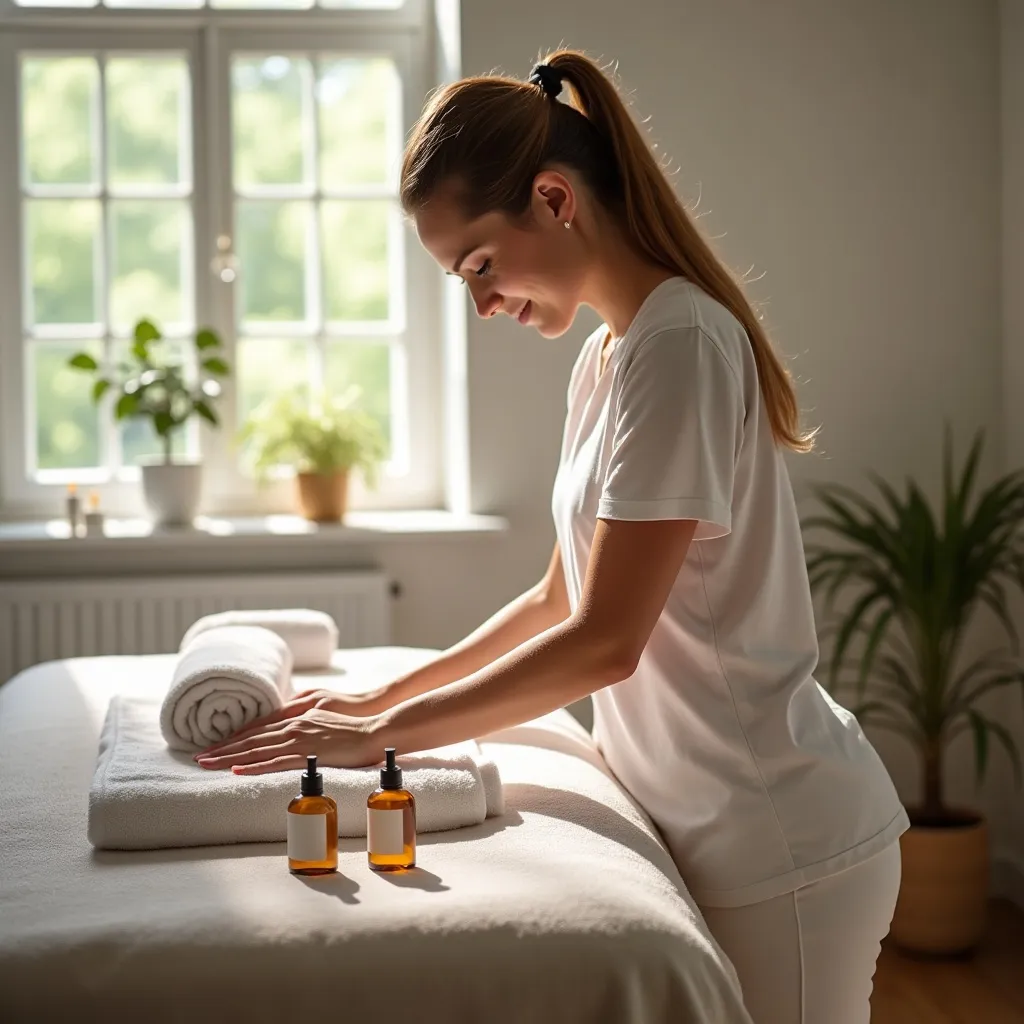
What Comprises Therapeutic Massage and In What Manner Does It Function?
Massage therapy is a hands-on practice that involves massaging the body’s soft tissues to foster restfulness and healing. This therapeutic approach focuses on the muscles, tendons, ligaments, and fascia, employing a variety of approaches to alleviate tension and improve overall well-being. By applying pressure and movement, massage therapy stimulates circulation, increases flexibility, and reduces stress levels.
The physical effects of therapeutic massage include increased blood flow, which assists the distribution of oxygen and nutrients to tissues, while also helping the removal of metabolic waste. In addition, massage can engage the parasympathetic nervous system, inducing a state of calm and relaxation. This practice extends beyond physical benefits; it can also promote emotional release, leading to improved mental clarity and mood. Overall, massage therapy is a holistic approach, addressing both physical and psychological aspects of health, thus boosting one's quality of life.
Uncover Popular Massage Techniques
Massage therapy includes a range of techniques, each providing distinct advantages. Swedish massage techniques focus on relaxation and blood flow, while deep tissue massage targets persistent tension and pain explore this topic relief. The integration of aromatherapy can enhance the complete experience, supporting both physical and mental health.
Swedish Treatment Procedures
Swedish massage methods are renowned for their gift to inspire ease and alleviate tightness in the body. Utilizing lengthy, fluid movements, these methods aim to enhance circulation and energize the lymphatic system. Key techniques include stroking, or sweeping motions, which warm up the muscles; manipulation, involving massaging and compressing to release tightness; and compression, which addresses specific areas to eliminate muscle knots. Striking, marked by rhythmic tapping, invigorates the body, while vibratory methods help unburden interior stress. These processes not only provide physical relief but also nurture a awareness of psychological wellness. Overall, Swedish massage functions as a foundational technique in the area of massage therapy, attracting those seeking both serenity and rejuvenation.
Deep Tissue Advantages
While Swedish massage techniques emphasize relaxation and surface tension relief, deep tissue therapy addresses deeper layers of muscle and connective tissue. This approach is particularly advantageous for individuals suffering from chronic pain, tension, or injury. By utilizing firm pressure and slow strokes, deep tissue massage can reduce muscle knots, improve circulation, and improve flexibility. It is known to promote healing by breaking down adhesions that restrict movement and cause discomfort. Additionally, deep tissue therapy can help decrease stress and anxiety levels, as the release of physical tension often leads to emotional relief. Clients frequently report enhanced overall wellness and enhanced physical performance following deep tissue sessions, making it a valuable option for those seeking thorough therapeutic benefits.
Aromatherapy Fusion
The integration of essential oil therapy amplifies the massage experience by fusing the therapeutic benefits of essential oils with various massage techniques. This approach not only supports relaxation but also handles specific physical and emotional ailments. For instance, Swedish massage, characterized by long, flowing strokes, pairs well with lavender oil to lessen stress and improve sleep quality. Conversely, deep tissue massage, which focuses on deeper muscle layers, can be strengthened with peppermint oil to soothe tension and invigorate the senses. Additionally, aromatherapy can be tailored to individual needs, allowing clients to choose oils that resonate with their personal wellness goals. Overall, this integration fosters a holistic approach, elevating both the physical and emotional benefits of massage therapy.
Advantages of Consistent Massage Therapy for Stress Relief
Regular massage therapy offers substantial benefits for stress relief, mainly through the decrease of muscle tension. By alleviating bodily pain, individuals often enjoy improved mental clarity. This synergy promotes a more relaxed state, adding to overall well-being.
Reduced Muscle Tension
Massage therapy successfully alleviates muscle tension, delivering an critical release for people experiencing stress. Consistent sessions can encourage relaxation in tight muscles, reducing discomfort and improving overall physical well-being. The techniques utilized, including kneading, stroking, and applying pressure, help better blood circulation and oxygen supply to the targeted regions. As muscle tension lessens, individuals often notice a notable reduction in stress levels and a greater sense of calm. Furthermore, lessened muscle tension can lead to improved flexibility and range of motion, allowing a more active lifestyle. This therapy not only addresses immediate discomfort but also promotes long-term muscle health, aiding the body’s natural capacity to manage stressors effectively.
Heightened Mental Clarity
Numerous scientific works show that steady massage therapy can significantly improve mental clarity, giving individuals a more focused mind and better cognitive function. This advantage comes from lowering stress hormones and encouraging relaxation, which fosters a positive environment for mental work. Regular massage also boosts blood circulation, supplying the brain with more oxygen and nutrients, thereby improving overall cognitive abilities. Furthermore, the tension relief related to massage helps individuals feel more centered and less distracted, resulting in improved decision-making and problem-solving skills. As a result, individuals often experience increased creativity and productivity in both their personal and professional lives. Adding regular massage therapy into one’s schedule can therefore be an effective method for mental enhancement and well-being.
What Takes Place in Your Initial Massage Session?
When someone has their first massage session, a blend of anticipation and nervousness often attends to them. Upon entry, they are typically met with a serene atmosphere, crafted to enhance tranquility. The massage therapist usually begins with a brief assessment to examine any targeted areas needing attention and wishes regarding force and method.
Following the consultation is complete, the individual is guided to a private room where they can undress to their comfort level, often beneath a towel. The provider then employs various procedures, such as working or stroking, to target tension and promote relaxation. Throughout the process, conversation is encouraged to guarantee the encounter meets the participant's needs.
As the therapeutic session unfolds, the person may experience a variety of sensations, from relief to deep relaxation. By the conclusion, they often encounter a feeling of peace, increased body awareness, and a inclination to include bodywork into their wellness routine.
Picking the Optimal Treatment for Your Needs
Once completing their first massage, many individuals may think about how to find the most fitting type for their unique needs. Numerous massage techniques exist, each developed to address various concerns. For relaxation, Swedish massage presents gentle strokes that support overall well-being. Those with ongoing pain or muscle tightness could benefit from deep tissue massage, which targets deeper layers of muscle and connective tissue.
Additionally, athlete-focused massage is customized for athletes, centered on enhancing physical ability and recovery. For those dealing with stress or anxiety, aromatherapy massage uses essential oils to promote emotional balance. It is crucial to consider personal preferences and any particular physical conditions before making a choice. Consulting with a licensed massage therapist can offer valuable insights, making sure the selected massage aligns with individual goals, whether it's relaxation, pain relief, or enhanced mobility. Understanding these options enables individuals to make educated decisions, improving their overall massage experience.
Home Approaches to Maximize Your Bodywork Impacts
Many people wanting to enhance their massage experience can gain from adding basic home techniques. Establishing a tranquil environment is vital; reducing lights and putting on soft music can create a serene atmosphere. In addition, using essential oils, such as lavender or eucalyptus, can increase relaxation and deliver therapeutic benefits.
Practicing deep breathing exercises throughout a massage can ease tension and encourage a intimate bond with the body. Stretching gently ahead of time also facilitates loosening muscles, making the massage more effective. Water intake is crucial; consuming fluids following your massage eliminates toxins and maintain muscle elasticity.
Ultimately, preserving a steady self-care practice, integrating periodic massages and at-home methods, can considerably enhance overall vitality. By implementing these strategies, individuals can maximize the benefits of their massage therapy, generating a more profound sense of relaxation and rejuvenation.
Frequently Asked Inquiries Concerning Therapeutic Massage Services?
What inquiries do people commonly have about massage therapy? Many individuals ask about its benefits, often wondering how it can alleviate stress, reduce pain, and improve overall wellness. Others ask about the different types of massage, such as Swedish, deep tissue, and sports massage, and which might be most suitable for their needs.
Safety represents another issue; people frequently question whether massage therapy is suitable for specific health conditions or if it creates potential dangers. Additionally, potential clients frequently inquire about the qualifications and training of massage therapists, seeking assurance of professionalism and expertise.
Finally, expense and length of sessions are typical inquiries. Clients seek to understand the standard price range and the amount of time a session should continue for optimal effectiveness. Addressing these questions helps demystify the practice and motivates individuals to explore the numerous benefits of massage therapy.
Frequently Inquiries Asked
Is Massage Therapy Safe for Pregnant Women?
Therapeutic massage can be safe for pregnant women when administered by a certified professional knowledgeable in pregnancy-specific methods. However, it's essential to speak with a medical professional before starting treatment to guarantee individual safety and comfort.
Does Massage Therapy Assist With Chronic Pain?
Massage therapy can reduce chronic pain by advancing relaxation, increasing blood circulation, and alleviating muscle tension. Various techniques may provide relief, but individual responses vary, so consulting a healthcare professional is advisable for tailored treatment.
How Frequently Should I Receive a Massage Therapy?
Health experts suggest getting a massage every one to four weeks, depending on personal needs and health circumstances. Ongoing sessions can aid sustaining physical and mental well-being, enhancing relaxation and possibly easing persistent pain over time.
What Clothes Should I Have On During a Massage Appointment?
During a massage, clients usually wear loose, cozy clothing or might opt to undress, based on personal preference and the type of massage. Therapists offer draping to maintain privacy and comfortableness during the session.
Do Age Limitations Apply for Massage Therapy?
Age constraints for therapeutic massage differ by location and establishment. In most cases, minors may require parental consent, while elderly clients often have no constraints. Always contact particular massage practitioners for their unique policies about age considerations.
Report this page